
全球汽车工业正经历着从内燃机向电动化转型的深刻变革,而在这场波澜壮阔的技术革命中,动力电池系统的性能、安全与寿命,成为决定新能源汽车市场竞争力的核心要素。随之而来的电池热管理问题,则上升为整个产业必须攻克的首要技术难关。在这一关键领域,硅胶制品不再仅仅是辅助性的零部件,而是作为核心功能材料,深度参与到热传导、电气绝缘、密封防护和振动控制等各个环节,发挥着名副其实的“隐形卫士”作用,保障着每一辆电动汽车的安全、高效运行。
The global automotive industry is undergoing a profound transformation from internal combustion engines to electrification. In this sweeping technological revolution, the performance, safety, and lifespan of power battery systems have become the core factors determining the competitiveness of new energy vehicles in the market. The accompanying issues of battery thermal management have risen to become the foremost technical challenge that the entire industry must overcome. In this critical domain, silicone products are no longer merely auxiliary components; they serve as core functional materials, deeply involved in every aspect of heat conduction, electrical insulation, sealing protection, and vibration control. They play the role of a true “invisible guardian,” ensuring the safe and efficient operation of every electric vehicle.
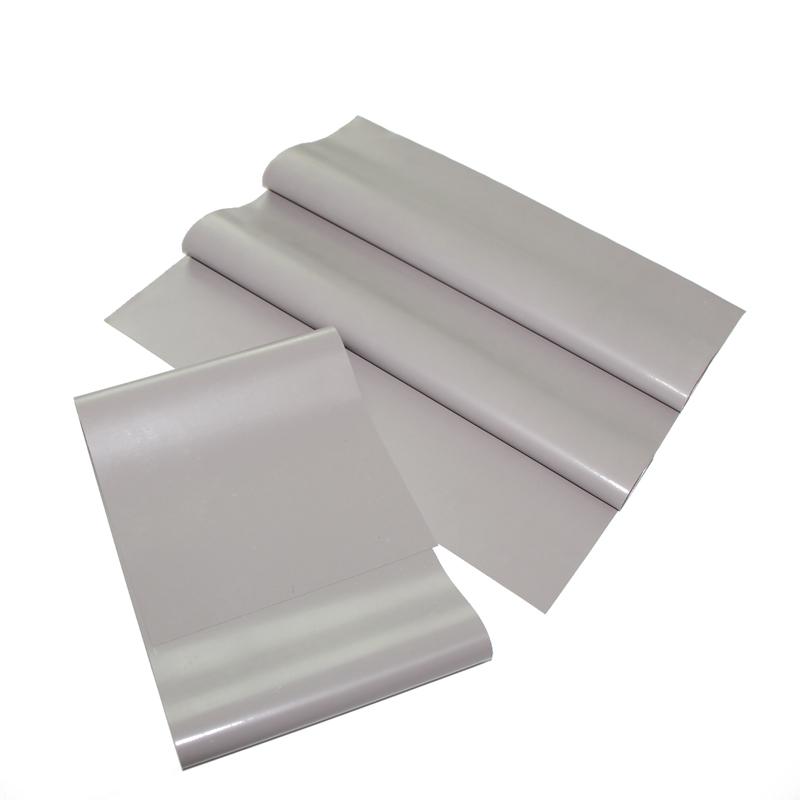
相较于传统燃油汽车,新能源汽车尤其是纯电动汽车,对热管理材料提出了堪称严苛的要求。动力电池组在车辆行驶、快速充电或极端气候条件下,电芯内部会发生剧烈的电化学反应,产生大量热量。若这些热量无法被迅速、均匀地导出,将导致电芯温度急剧升高,不仅会加速电池老化、缩短续航里程,严重时更可能引发热失控,导致起火或爆炸事故。针对这一痛点,导热硅胶制品应运而生。导热硅胶片和导热硅凝胶被大量应用于电芯与液冷板、电芯与电芯之间的间隙填充。
Compared with traditional fuel vehicles, new energy vehicles, especially pure electric vehicles, place extremely stringent demands on thermal management materials. During vehicle operation, rapid charging, or under extreme climatic conditions, intense electrochemical reactions occur inside the power battery cells, generating a large amount of heat. If this heat cannot be quickly and uniformly dissipated, it will cause a sharp increase in cell temperature, which not only accelerates battery aging and reduces driving range, but in severe cases may also trigger thermal runaway, leading to fire or explosion accidents. To address this critical issue, thermally conductive silicone products have emerged. Thermally conductive silicone pads and gels are widely used to fill the gaps between battery cells and liquid cooling plates, as well as between individual cells.
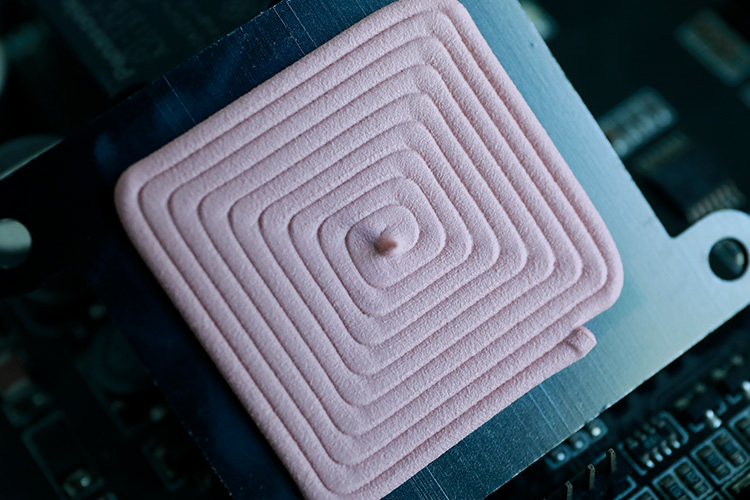
这类材料本身具有良好的导热系数,更重要的是,它们质地柔软且具有极高的可压缩性,能够在外界压力作用下紧密贴合接触表面,有效排除空气,建立低热阻的导热路径,从而将电芯产生的热量高效传递至冷却系统。与传统的导热垫片相比,硅胶导热材料不仅能高效传热,其弹性体特性还能吸收电池充放电循环中电芯产生的微小体积膨胀与振动,起到缓冲保护作用,防止刚性接触对电芯壳体造成损伤。
These materials inherently possess a good thermal conductivity. More importantly, they are soft in texture and highly compressible, allowing them to closely conform to contact surfaces under external pressure, effectively eliminating air and establishing low thermal resistance pathways. This enables the heat generated by the battery cells to be efficiently transferred to the cooling system. Compared with traditional thermal pads, silicone thermal materials not only provide efficient heat transfer but their elastomeric properties also absorb the slight volumetric expansion and vibrations of the cells during charge and discharge cycles, offering cushioning protection and preventing damage to the battery cell casing caused by rigid contact.
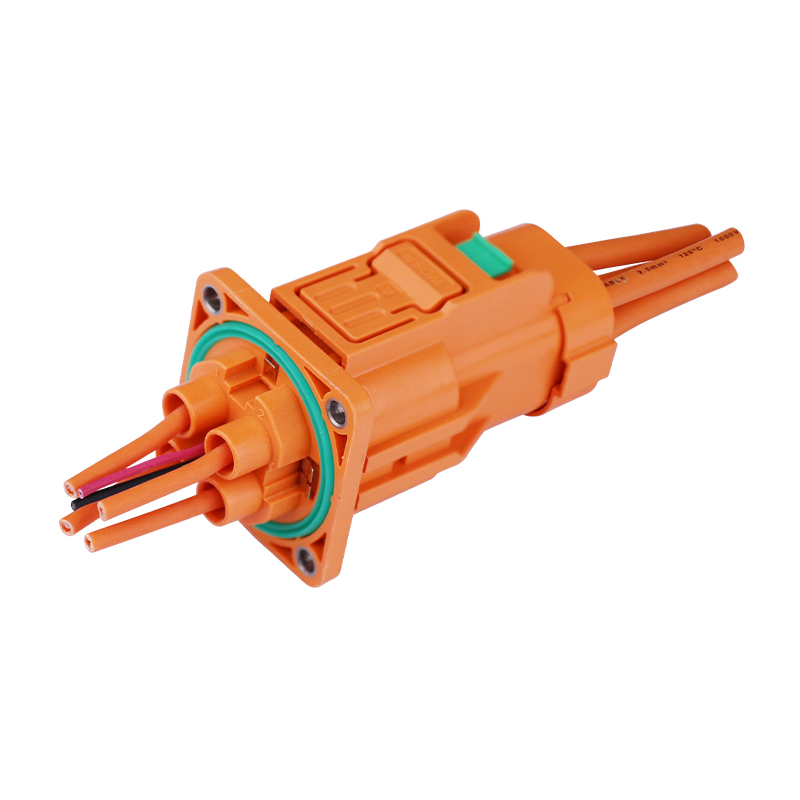
除了主动导热,硅胶还在整个电池包和高压电气系统中扮演着全面的防护角色。在电气安全层面,高压连接器、母线排、线束和电池模组之间的绝缘防护,大量使用了硅橡胶材料。其优异的介电强度保证了高压电路之间的可靠绝缘,防止爬电和击穿,同时,硅胶出色的耐臭氧、耐潮湿和耐化学溶剂性能,确保了车辆在涉水、盐雾和灰尘等恶劣使用环境下的电气稳定性。
In addition to active heat conduction, silicone also plays a comprehensive protective role throughout the battery pack and high-voltage electrical system. In terms of electrical safety, silicone rubber materials are extensively used for insulation protection between high-voltage connectors, busbars, wiring harnesses, and battery modules. Its excellent dielectric strength ensures reliable insulation between high-voltage circuits, preventing tracking and breakdown. At the same time, silicone’s outstanding resistance to ozone, moisture, and chemical solvents guarantees the electrical stability of vehicles in harsh operating environments such as water exposure, salt spray, and dust.
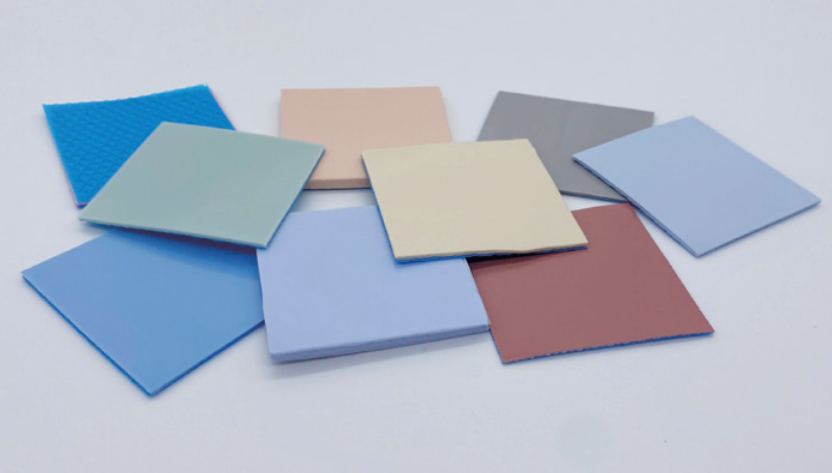
随着电池能量密度的持续攀升和超级快充技术的商业化普及,单位时间内的产热量呈指数级增加,这使得高性能有机硅材料在新能源汽车中的单车用量较传统燃油车增长了数倍。硅胶制品不仅有效解决了当前电动汽车热管理的痛点,更是支撑下一代高比能固态电池、800V高压平台等前瞻技术落地应用不可或缺的材料基础。可以预见,随着电动化浪潮的持续深入,硅胶在新能源汽车产业中的地位将愈发关键,其技术演进也将与整车安全性和经济性紧密相连。
With the continuous increase in battery energy density and the commercialization of ultra-fast charging technology, the amount of heat generated per unit of time has grown exponentially. This has led to a several-fold increase in the use of high-performance silicone materials per vehicle in new energy vehicles compared to traditional fuel vehicles. Silicone products not only effectively address the current thermal management challenges of electric vehicles but also serve as an indispensable material foundation for the practical application of next-generation high specific energy solid-state batteries, 800V high-voltage platforms, and other advanced technologies. It is foreseeable that as the wave of electrification continues to deepen, the role of silicone in the new energy vehicle industry will become increasingly critical, and its technological evolution will be closely linked to vehicle safety and economic efficiency.