
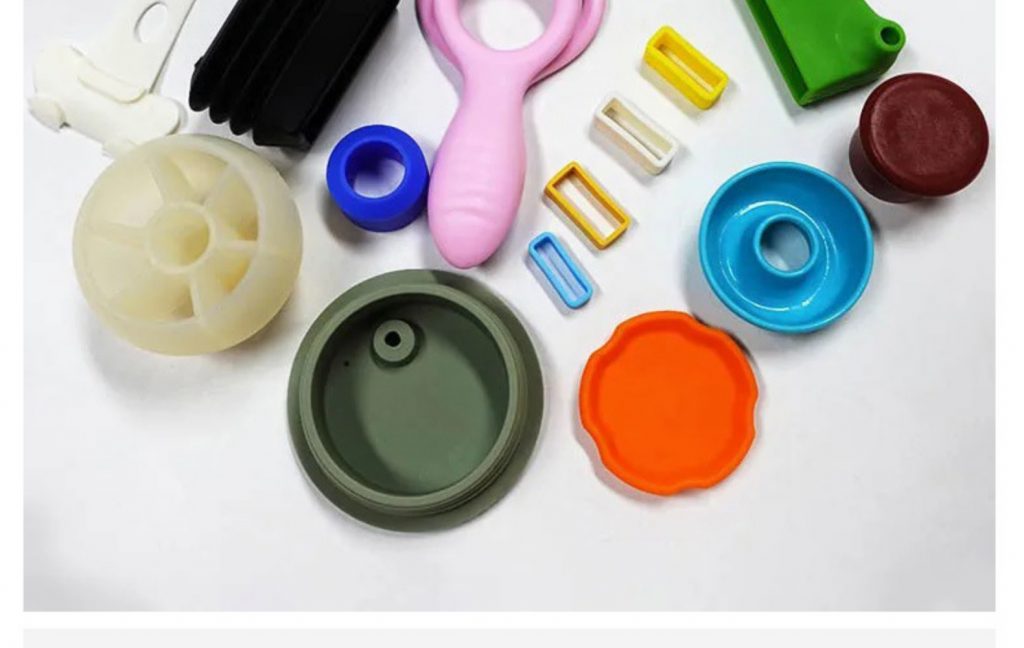
很多人认为 “硅胶不易降解,所以不环保”,这其实是一种误解。从全生命周期来看,硅胶是一种低污染、长寿命、高循环潜力的绿色材料,它的环保价值体现在使用过程与资源效率上。
Many people think ‘silicone is hard to degrade, so it’s not eco-friendly,’ but that’s actually a misconception. Looking at the whole life cycle, silicone is a low-pollution, long-lasting, and highly recyclable green material. Its environmental value shows up in how efficient it is to use and in resource efficiency.
首先,硅胶使用过程更安全更清洁。它化学性质稳定,无毒无味,不含塑化剂、重金属、挥发性有机物,在高温、油脂、酸碱环境下不会释放有害物质,不污染食品、水源与土壤。相比频繁更换、易释放微塑料的塑料制品,硅胶更能保护人体健康与生态环境。
First of all, using silicone is safer and cleaner. It’s chemically stable, non-toxic, odorless, and doesn’t contain plasticizers, heavy metals, or volatile organic compounds. It won’t release harmful substances under high temperatures, oils, or acidic and alkaline conditions, so it doesn’t pollute food, water, or soil. Compared to plastics that need frequent replacement and can release microplastics, silicone is better for protecting both our health and the environment.
其次,硅胶极度耐用,减少浪费。普通塑料用品几个月就老化变形,橡胶制品易粘易裂,而硅胶抗老化、抗紫外线、耐高低温,使用寿命更长。一件优质硅胶制品可替代多件塑料或橡胶品,大幅降低生产频次与废弃物总量,从源头减少资源消耗。
Secondly, silicone is extremely durable, which helps cut down on waste. Regular plastic items can get old and deformed in just a few months, and rubber products tend to stick and crack easily. Silicone, on the other hand, is resistant to aging, UV rays, and extreme temperatures, giving it a much longer lifespan. A high-quality silicone product can replace multiple plastic or rubber ones, significantly reducing production frequency and total waste, and cutting resource use right from the start.
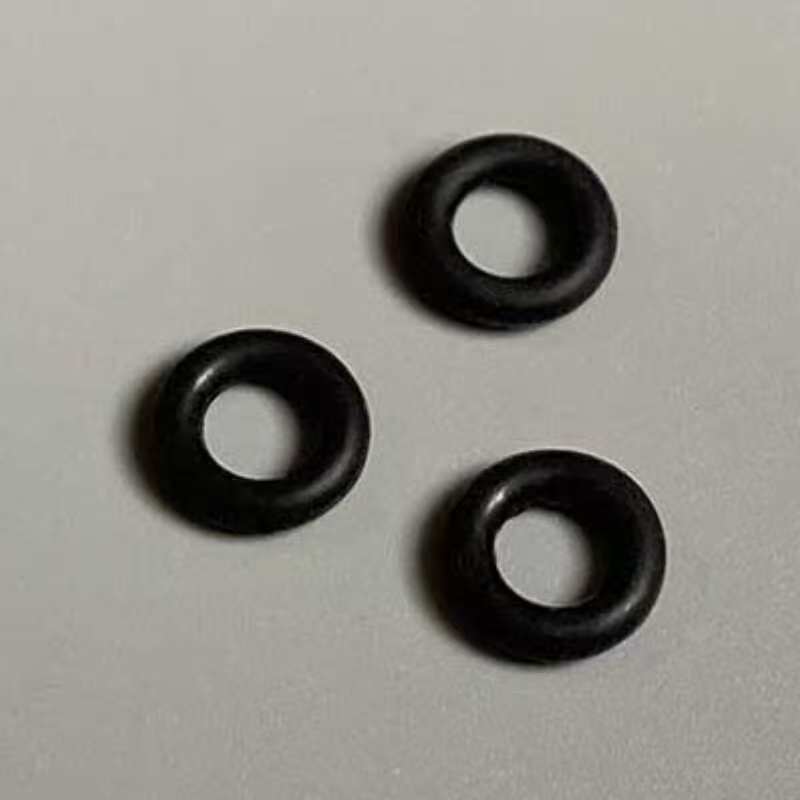
再次,硅胶具备回收再利用潜力。虽然普通家庭难以自行回收,但工业端已形成成熟路径:废弃硅胶可通过裂解、粉碎、活化等工艺,回收硅氧烷原料重新用于生产;也可加工成填料,应用在橡胶、建材、涂料、复合材料等领域,实现资源循环。工业级回收体系不断完善,让硅胶逐步走向闭环经济。
Also, silicone has the potential to be recycled and reused. While it’s hard for regular households to recycle it on their own, the industrial side has established mature methods: waste silicone can be broken down, crushed, and activated to recover siloxane materials for production; it can also be processed into fillers for rubber, building materials, coatings, and composites, helping close the resource loop. The industrial recycling system is constantly improving, gradually moving silicone toward a circular economy.
同时,行业正在推动更低碳的技术路线:生物基硅胶、低碳合成工艺、节能成型技术不断进步,在保持硅胶高性能的同时,进一步降低碳排放与能耗。未来的硅胶将更环保、更绿色、更可持续。
At the same time, the industry is pushing for lower-carbon technology paths: bio-based silicone, low-carbon synthesis processes, and energy-saving molding techniques are constantly improving. While keeping silicone high-performance, they further reduce carbon emissions and energy consumption. In the future, silicone will be more eco-friendly, greener, and more sustainable.
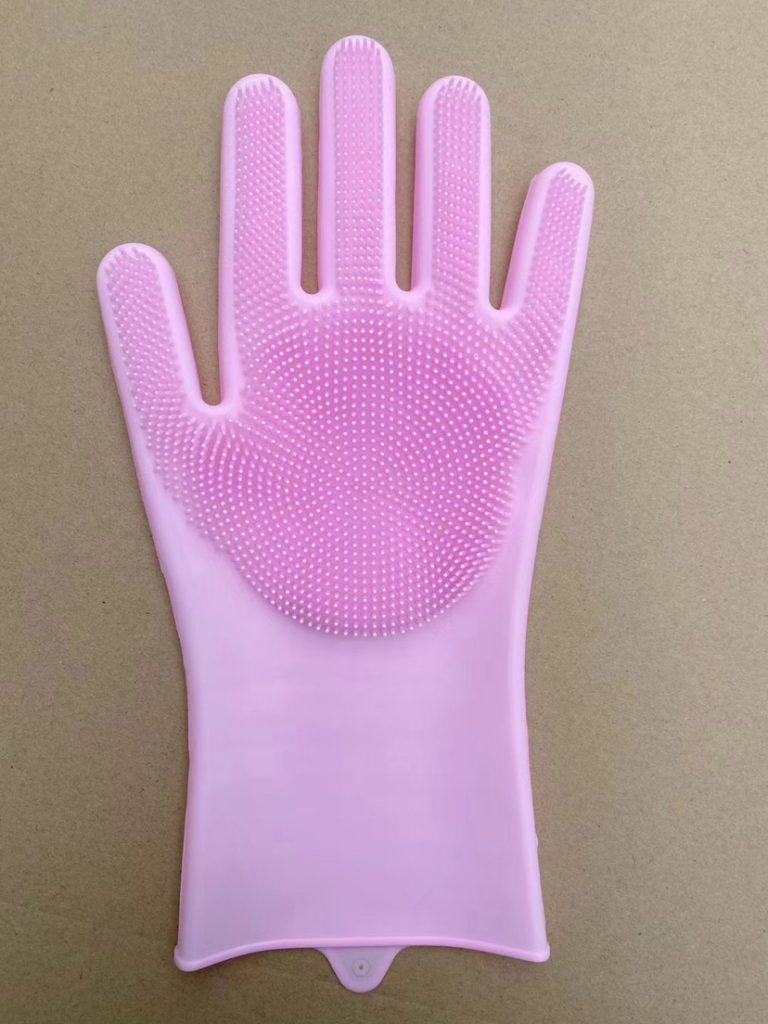
选择合规、高品质的硅胶制品,不仅是选择安全与耐用,更是选择一种长期主义的绿色生活。减少替换、减少污染、支持循环,让每一件硅胶用品都发挥最大价值,就是对环境最实际的保护。环保不只看是否快速降解,更看是否真正减少浪费、降低危害。硅胶,正是兼顾性能与可持续的未来材料。
Choosing compliant, high-quality silicone products isn’t just about safety and durability—it’s also about embracing a long-term, eco-friendly lifestyle. Using less, reducing pollution, and supporting recycling so that every silicone item reaches its full potential is the most practical way to protect the environment. Being eco-friendly isn’t just about quick degradation; it’s about truly cutting waste and minimizing harm. Silicone is exactly the future material that balances performance and sustainability.