
从一只奶嘴、一把硅胶勺说起——什么才算真的“进得了嘴”
Starting with a pacifier and a silicone spoon — what it really takes for something to go into the mouth.
一个孩子把东西放进嘴里之前,不会先看标签。他只看两件事:好不好咬,有没有味道。
A child does not read the label before putting something in his mouth. He only checks two things: does it feel good to bite, and does it smell.
大人不一样。大人会翻包装背面的小字,会搜“食品级”,会问客服一句“这个能进嘴吗”。这句话背后,其实是一整套标准、工艺和检测在托着。
Adults are different. Adults read the small print on the back, search for the words food grade, and ask customer service one question: can this go in the mouth? Behind that question sits a whole chain of standards, process control and testing.
一、“食品级”不是形容词,是一条链上的结果
1. Food grade is not an adjective. It is where a chain of conditions ends up.
这四个字常被当成卖点,但它不是一句形容,而是一串条件叠加出来的结果:原料要能追溯到批次,配方里不能有禁用的助剂,成品要过感官、迁移、挥发物这几道检验,生产环节要控得住污染。
Those two words get used as a selling point, but they are not a description. They are the sum of conditions: raw material that can be traced back to its batch, a formula with no banned additives, a finished part that passes sensory, migration and volatile tests, and production that keeps contamination out.
它和“工业级”的差别,不在颜色,也不在软硬,而在“接触什么”。同样是硅胶,做密封圈和做奶嘴,配方可以完全不同:一个只要耐温耐油,一个还要保证进入口腔的那部分不会析出问题。
The difference from industrial grade is not color, and not hardness. It is what the part touches. The same silicone can be built two completely different ways for a sealing ring and for a pacifier: one only has to hold up to heat and oil, the other also has to make sure the part that enters the mouth gives nothing back.
顺带说清一个常被混淆的概念:食品级不等于医用级。食品级管的是接触食物时的安全,医用级还要额外满足生物相容性要求。能进嘴,不等于能进身体。
One often-mixed-up point is worth clearing up: food grade is not medical grade. Food grade covers safety in contact with food; medical grade also has to meet biocompatibility requirements. Something that can go into the mouth is not automatically something that can go into the body.
二、能不能进嘴,最终由三项检验说话
2. Whether it can go into the mouth is settled by three tests.
2025 年 9 月 2 日发布的 GB 4806.16-2025《食品安全国家标准 食品接触用硅橡胶材料及制品》,2026 年 9 月 2 日起实施,替代 GB 4806.11-2016。它把“入口安全”拆成了可以测的项目。
GB 4806.16-2025, the national food safety standard for silicone rubber materials and articles in contact with food, was released on 2 September 2025 and took effect on 2 September 2026, replacing GB 4806.11-2016. It turns mouth safety into things you can actually measure.
第一项是感官。浸泡之后有没有异味、有没有色泽变化,这是最原始、也最直接的一关。
The first is sensory. Does it smell off after soaking? Does the color shift? It is the crudest check and also the most direct one.
第二项是迁移。总迁移量、高锰酸钾消耗量、重金属,测的都是“有多少东西会跑到食物里”。新标准把这几项的试验条件统一到 60℃、2 小时,旧标准只泡 0.5 小时。时间拉长四倍,慢释放的材料就藏不住了。
The second is migration. Overall migration, potassium permanganate consumption and heavy metals all come down to one question: how much stuff ends up in the food. The new standard sets the test at 60°C for 2 hours; the old one soaked for 0.5 hour. Four times longer, and slow-releasing materials have nowhere to hide.
第三项是挥发物。新标准新增“挥发性物质”项目,盯的是环硅氧烷类低聚物,也就是 D3、D4、D5、D6 这一类。它们的共同特征是:看不见、洗不掉,却在使用的每一天慢慢散出来。
The third is volatiles. The new standard adds a volatile-matter limit aimed at cyclic siloxane oligomers, meaning D3, D4, D5, D6 and the like. What they share: you cannot see them, you cannot wash them off, and they keep drifting out every day the product is used.
三项之中,前两项靠实验室,第三项最容易被使用者先发现——有味道,往往说明最后那道烘烤没做够。
Of the three, the first two live in a lab. The third is the one users notice first. A smell usually means the final bake was not long enough.
三、入口之前的那些工夫,都发生在工厂里
3. The work that comes before the mouth all happens in the factory.
决定一只奶嘴能不能进嘴的,不是广告词,而是几个很具体的选择。
What decides whether a pacifier can go into a mouth is not a slogan. It is a handful of very concrete choices.
第一是硫化方式。过氧化物硫化便宜,但反应会留下副产物,后处理不到位就有气味;铂金加成硫化不产生这类副产物,气味更淡,是食品接触与母婴件的常用路线,代价是原料更贵、工艺窗口更窄。
First, how the rubber is cured. Peroxide curing is cheap, but the reaction leaves by-products, and when the post-treatment is sloppy the smell stays. Platinum addition curing avoids them, which is why it is the usual route for food contact and baby items. The trade-off is a pricier raw material and a much narrower process window.
第二是二次硫化。高温再烘一遍,把低分子挥发物赶出去。这一步费电、占炉子,也是最容易被悄悄省掉的一步。
Second, post-curing. A second bake at high heat drives the low-molecular volatiles out. It burns power and ties up ovens, which is exactly why it is the step most easily skipped.
第三是色料。颜色越鲜艳,越该问一句色料是不是食品级。不合格的色料,会在接触油脂、酸性食物时往内容物里跑。
Third, pigment. The brighter the color, the more you should ask whether the pigment is food grade. A pigment that is not will drift into the contents once it meets oil or acidic food.
第四是结构。婴儿牙胶要有防窒息孔,边缘要圆润,不能有能被咬下的小块;餐具的圆角、壁厚、脱模斜度,直接决定好不好洗、藏不藏污。
Fourth, structure. A teether needs anti-choke holes, rounded edges, and no small piece a child could bite off. On tableware, corner radii, wall thickness and draft angle decide how easy it is to wash and how much dirt it hides.
第五是拆边。飞边和毛边是最典型的藏污点,机器替代不了,只能靠人工与检具一件件过。
Fifth, trimming. Flash and burrs are the classic places where dirt collects. No machine replaces this; every piece is checked by hand and by gauge.
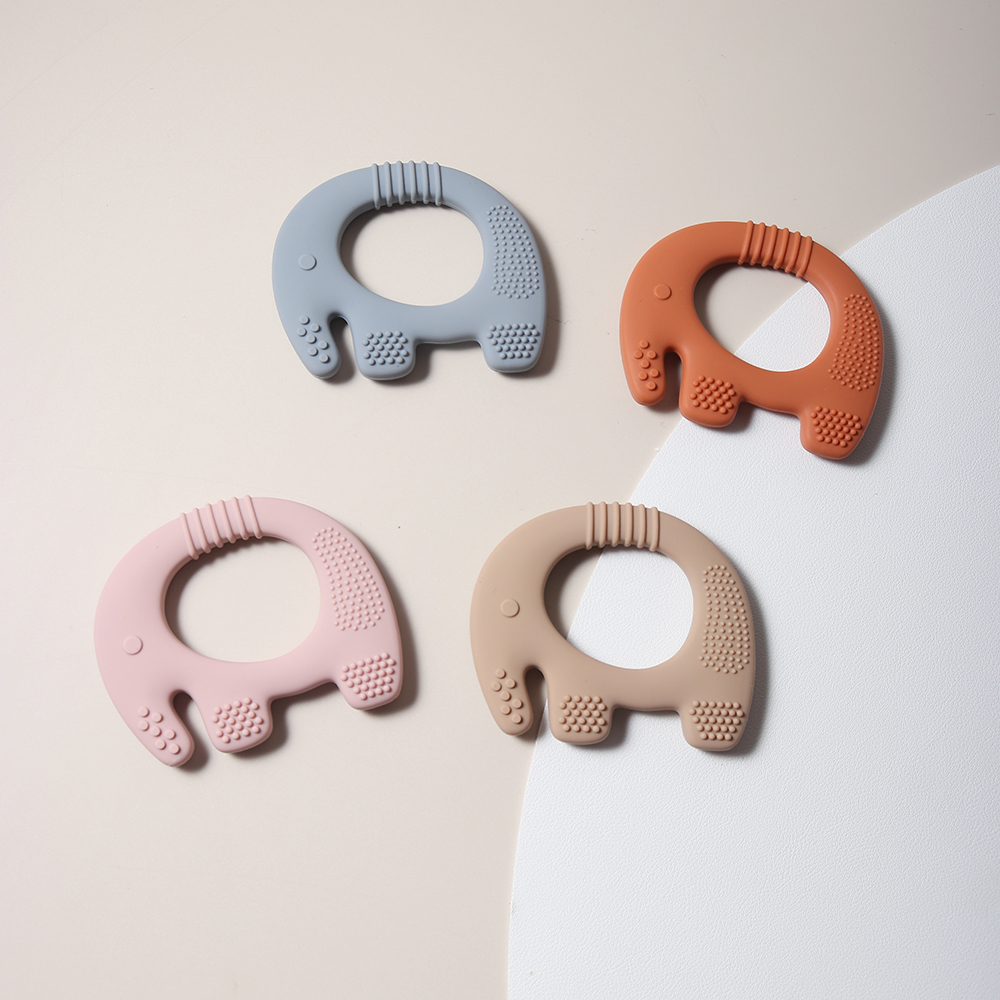
Caption: before anything goes into a mouth, it has to pass the same handful of checks.
四、把这些做成标准动作,需要一点耐心
4. Turning these into standard moves takes patience.
在浙江慈溪,凯莱橡胶从 2007 年做起,前身是慈溪市凯田橡胶制品厂。如今婴童用品是它重要的一块:奶嘴、牙胶、硅胶围兜、分格餐盘、勺叉、洗澡玩具,都能按品牌需求定制颜色、硬度与结构。
In Cixi, Zhejiang, K-Lai Rubber has been at this since 2007, back when it was still Cixi Kaitian Rubber Products Factory. Baby and child products are now a major part of the business: pacifiers, teethers, silicone bibs, divided plates, spoons and forks, bath toys, all customizable in color, hardness and structure.
它的做法,是把上面那些看不见的工序固定下来:原料坚持用全球优质胶源,每批进厂先过实验室检测;精密模压、自动硫化、数控成型保证一致性;内控标准定得比国标更严;从投料到出厂,全链条可追溯。
Its approach is to lock those invisible steps down as standard work: quality gum sourced worldwide, lab-tested batch by batch on arrival; precision molding, automatic curing and CNC forming to hold consistency; internal standards tighter than the national standard; and full traceability from raw material to shipment.
产品按 FDA、LFGB、CE、GB 等要求送检,通过 ISO9001 体系认证,同时满足 RoHS、PAHs 等环保指令。
Products are sent for testing against FDA, LFGB, CE and GB requirements, the plant holds ISO 9001 certification, and the range also meets RoHS and PAHs directives.
这些说法听起来都不新鲜。但入口这件事,本来就不靠新鲜取胜——它靠的是每一批都一样。
None of this sounds new. But when it comes to what goes into a mouth, new was never the point. The point is that every batch comes out the same.
五、给愿意追问的人,一份清单
5. A checklist for people who like to ask.
如果你是家长,或者正在为品牌挑供应商,不妨把这几句问出去:
If you are a parent, or you are picking a supplier for a brand, these questions are worth putting on the table.
这个材料执行的是哪个标准?
Which standard does this material actually follow?
有没有对应批次的检测报告,测的是哪几项?
Is there a test report for this batch, and which items were tested?
有没有味道,洗过几次还留着吗?
Does it smell, and does the smell stay after a few washes?
色料是不是食品级,深色和鲜艳色怎么保证不迁移?
Is the pigment food grade, and how do you keep dark or bright colors from migrating?
结构上有没有防窒息设计,飞边怎么控制?
Is there anti-choke design in the structure, and how is flash controlled?
答得清楚的人,通常也不会在这些地方省成本。
Someone who answers these clearly is usually not saving money in those places.
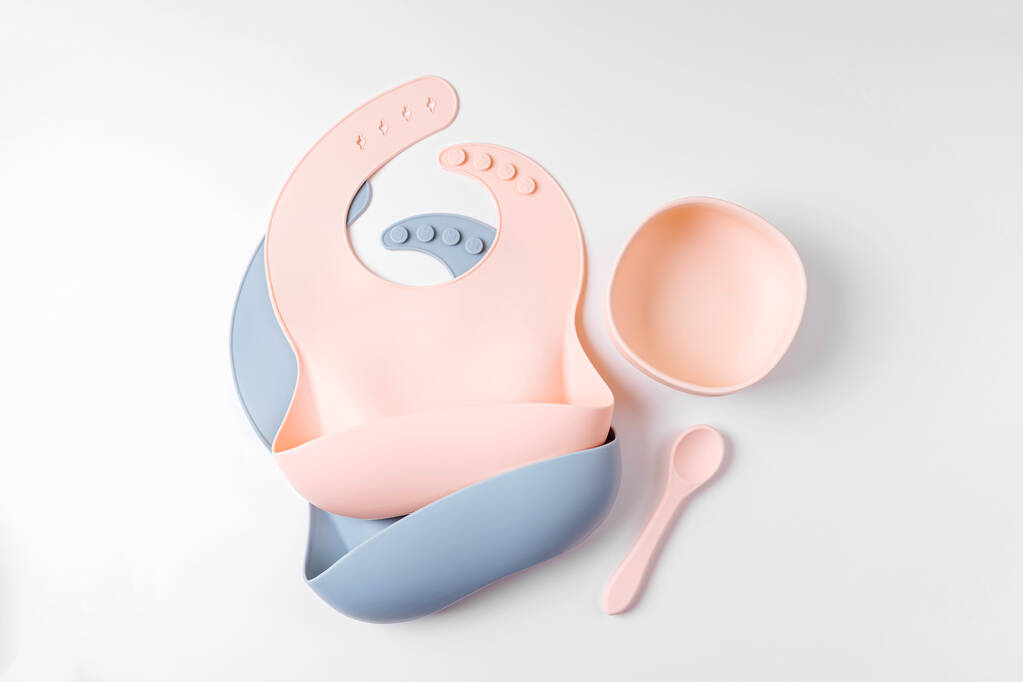
Caption: color, corner radius and wall thickness are all part of mouth safety.
最后一件事:硅胶也不是万能的。它扛得住 200℃ 的烤箱,却怕明火直烤;它可以反复清洗,但一旦开裂、发黏、掉粉,就该换了。
One last thing: silicone is not magic. It can take a 200°C oven, but not an open flame. It can be washed again and again, but once it cracks, goes tacky or turns chalky, it is time to replace it.
孩子不会问你标准号。他只会在咬下去的那一秒,决定这个东西好不好。
A child will not ask you for a standard number. He decides whether the thing is any good in the second he bites down.
我们能做的,是让那一秒之前的所有环节,都经得起追问。
What we can do is make every step before that second hold up to a question.
食品级硅胶之所以是“最后一道关口”,不是因为它在最外面,而是因为在最里面——它直接贴着要进嘴的那部分生活。
Food-grade silicone earns the name last gate not because it sits on the outside, but because it sits on the inside: right against the part of daily life that goes into the mouth.
—— 宁波凯莱橡胶制品有限公司
发表回复