
把“安全”这个词拆开,你会看到一张工序表
take the word safe apart, and what you get is a process sheet.
安全这两个字,几乎写在所有相关产品的页面上。写上去不花成本,做到的,是在车间里一环一环守出来的。
The word safe is printed on almost every product page in this category. Printing it costs nothing. Doing it is held together, step by step, on a shop floor.
形容词负责说服,工序负责兑现。所以这篇文章不谈形容词,只谈工序:一件硅胶小物从胶料到装箱,安全到底是在哪几步被做出来的。
Adjectives do the persuading; processes do the delivering. So this piece sets the adjectives aside and walks the processes instead: where, along the road from raw gum to a packed carton, safety actually gets built into a small silicone object.
一、形容词不用证据,工序要
1. Adjectives need no evidence. Processes do.
“安全”“无毒”“食品级”,这三个词在货架上几乎通用。它们的问题不在于说错,而在于说了等于没说——没有任何一个词能回答“凭什么”。
Safe, non-toxic, food grade — these three words are practically universal on shelves. The problem is not that they are wrong. It is that they say nothing: none of them can answer the question of why.
工序不一样。工序有时间、有温度、有设备、有记录,可以被审、被查、被复现。所以判断一家硅胶厂,最有效的办法之一是:请他讲一遍工序,再看记录对不对得上。
Processes are different. A process has time, temperature, equipment and records. It can be audited, inspected and repeated. Which is why judging a silicone plant is largely a matter of asking them to describe the process, then seeing whether the records match the description.
一件硅胶件从原料到成品,关键环节大致是七段:胶料与配方、混炼、成型硫化、二次硫化、拆边与后处理、清洗与包装、检测与追溯。下面按这个顺序走一遍,每一段都说明同一件事——这一步如果不认真,会留下什么。
From raw material to finished part, the key stages come down to seven: compound and formula, mixing, molding and curing, post-curing, trimming and finishing, cleaning and packing, testing and traceability. We will walk them in that order, and at every stop ask the same question: done carelessly, what does this step leave behind?
二、原料:安全从胶料进厂那一步就开始了
2. Raw material: safety starts the moment the compound arrives.
硅胶的底子是生胶。按形态分固态和液态:固态要混炼后再模压,液态直接注射成型。两条路线都能做食品级产品,区别在件型、精度与成本。
Silicone begins with raw gum, and gum comes in two forms. Solid gum is compounded and then compression molded; liquid silicone goes straight into injection molding. Either route can produce food-grade parts. The difference shows up in part geometry, precision and cost.
真正的差别在配方。同样一公斤生胶,加什么填料、加多少、用哪种硫化体系、配什么色料,决定了它最后是“食品级”还是“工业级”。这中间的余量,肉眼看不出来。
The real difference sits in the formula. From the same kilogram of gum, what fillers go in, how much, which curing system, which pigment — that is what decides whether the result is food grade or industrial grade. That margin does not show up to the eye.
色料是最容易被忽视的一项。颜色越鲜艳,越要问它是不是食品级色料、有没有迁移风险。硅胶件常常接触油脂和酸性食物,不合格的色料会在这里慢慢渗出来。
Pigment is the item most often overlooked. The brighter the color, the more you should ask whether it is a food-grade pigment and whether it can migrate. Silicone parts spend a lot of time around oil and acidic food, and a pigment that should not be there will slowly work its way out in exactly that setting.
助剂同理。硫化剂、抗黄剂、脱模剂,任何一项用错,都会在成品上留下痕迹——不是外观上的痕迹,是检测数据上的痕迹。
The same goes for additives. Curing agent, anti-yellowing agent, release agent — get any one of them wrong and it leaves a mark on the finished part. Not a mark you can see. A mark in the test data.
进厂检测是这一段唯一能验证的动作。每批胶料先测硬度、密度、外观、挥发分,对得上配方再投产;对不上,这一批就不进车间。
Incoming inspection is the only verification available at this stage. Each batch of compound is checked for hardness, density, appearance and volatile content before it is released to production. If it does not match the formula, the batch does not enter the workshop.
三、混炼:看不见的第一道分水岭
3. Mixing: the first watershed nobody sees.
混炼是把生胶、填料、助剂揉成一个均匀体系的过程。它没有成型那么显眼,却决定了后面所有工序的上限。
Mixing kneads gum, filler and additives into one uniform system. It is less visible than molding, but it sets the ceiling for everything downstream.
关键变量有三个:温度、时间、顺序。温度高了,胶料容易早期焦烧,成型就出缺陷,只能靠补料和修补去掩盖;时间短了,填料分散不匀,成品会出现硬度不一、局部发脆。
Three variables matter: temperature, time, sequence. Too hot and the compound scorches early, so molding turns out defects that can only be papered over with patching. Too short and the filler never disperses, so finished parts come out with uneven hardness and brittle patches.
混炼不匀,最诚实的地方在检测数据上:同一模出来的件,硬度能差出几个点,回弹也不一样。消费者不知道原因,只会觉得“这批不如上批”。
Uneven mixing is most honest in the test data: parts from the same mold can differ by several points in hardness, and rebound does not match either. The customer never learns the reason. They just conclude that this batch is not as good as the last one.
所以规范的做法是每批混炼留样,记录温度曲线和时间。出了问题能倒回去查。这一条看起来最像“管理”,其实最像“质量”。
So the disciplined way is to keep a sample of every mixed batch and log the temperature curve and the time. If something goes wrong, there is a way back to look. This sounds like management. It is actually quality.
四、成型与硫化:形状和性能在这里同时定下来
4. Molding and curing: shape and performance get fixed at the same time.
成型决定样子,硫化决定性能,两者常常在同一台设备上完成。模压适合结构件和厚壁件,注射适合薄壁、高精度、透明件。
Molding decides how it looks, curing decides how it performs, and the two often happen on the same machine. Compression molding suits structural and thick-walled parts. Injection suits thin walls, tight tolerances and clear parts.
硫化的核心是“够不够”。欠硫的件表面发黏、回弹差、容易变形;过硫的件发脆、易裂、颜色发黄。同一批产品里,温度分布不匀,就会同时出现这两种毛病。
Curing comes down to one question: was it enough? Under-cured parts feel tacky, rebound poorly and deform easily. Over-cured parts go brittle, crack easily and turn yellow. Within one batch, uneven temperature distribution can produce both faults at once.
自动化程度在这里直接换成一致性。自动硫化机控制的是时间、温度、压力三条曲线,人只负责盯异常;靠人工计时、看表、凭经验,批次差异很快就会回来。
Automation converts straight into consistency here. An automatic curing press holds three curves — time, temperature, pressure — and people only watch for exceptions. Rely on a stopwatch, a gauge and experience instead, and batch-to-batch variation comes back fast.
模具也不是配角。模腔抛光、排气设计、分型面位置,决定了表面是否平整、有没有缺胶和气泡。薄壁处的一个气泡,就是将来裂口的起点。
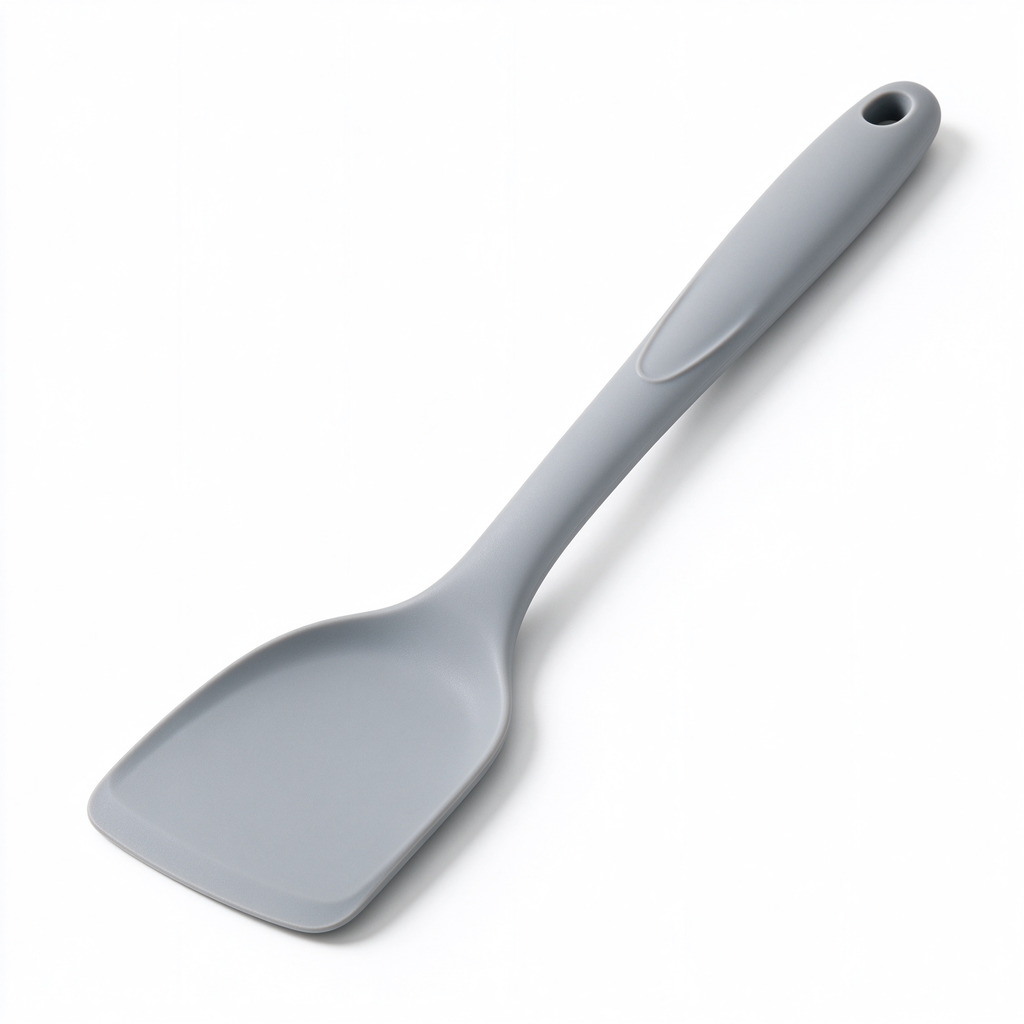
Caption: molding and curing settle more than shape; they settle surface, edge and rebound too.
The mold is not a supporting player either. Cavity polishing, venting design and where the parting line sits decide whether the surface is even and whether there are short shots or bubbles. One bubble in a thin wall is the start of a crack later on.
五、二次硫化:把“新硅胶味”赶出去
5. Post-curing: driving out the new-silicone smell.
一次硫化把形状定住,二次硫化把残留赶出去。高温再烘一遍,低分子挥发物在这个过程中散掉,这也是“新硅胶味”会消失的原因。
The first cure locks the shape in. Post-curing drives the residue out. A second bake at high heat lets the low-molecular volatiles disperse, and that is exactly why the new-silicone smell fades.
2025 年 9 月 2 日发布的 GB 4806.16-2025《食品安全国家标准 食品接触用硅橡胶材料及制品》,2026 年 9 月 2 日起实施,替代 GB 4806.11-2016。硅橡胶第一次有了专属的食品安全国家标准。
GB 4806.16-2025, the national food safety standard for silicone rubber materials and articles in contact with food, was released on 2 September 2025 and takes effect on 2 September 2026, replacing GB 4806.11-2016. For the first time, silicone rubber has a food safety standard of its own.
新标准把“挥发性物质”单列为一项,针对的是环硅氧烷类低聚物,也就是 D3、D4、D5、D6 这一类;迁移试验的条件统一到 60℃、2 小时,旧标准是 0.5 小时。
The new standard lists volatile matter as a separate item, aimed at cyclic siloxane oligomers — D3, D4, D5, D6 and their relatives — and sets the migration test at 60°C for 2 hours, where the old standard was 0.5 hour.
这一项规定,实际上是把二次硫化从“可选”推向“必做”。因为挥发物不会因为一件产品好看就少一点,它只跟炉子和时间有关。
In practice, that clause moves post-curing from optional to mandatory. Volatiles do not drop just because a product looks good. They answer to the oven and to time, and to nothing else.
二次硫化的代价很实在:耗电、占炉、拉长交期。这也是它最容易被跳过的地方。跳过之后,产品在货架上完全看不出差别,用一周开始发黏,闻起来还有味。
The cost of post-curing is very real: power, oven time, longer lead times. Which is exactly why it is the step most often skipped. Skip it and the product looks identical on the shelf, turns tacky after a week of use, and still smells.
六、拆边、清洗、包装:最后三米最容易松
6. Trimming, cleaning, packing: the last three meters are the easiest to let go.
拆边是纯人力环节。飞边、毛边、浇口残留,都是藏污的地方,也是消费者最早发现的瑕疵——手指一摸就知道。
Trimming is purely manual. Flash, burrs and gate remnants are all places where dirt collects, and they are the flaws customers find first: one touch of a finger and they know.
好的拆边不只靠手快,还靠检具和标准:哪里允许留 0.1 毫米,哪里必须完全齐平,要写成可检查的条目。靠“看着差不多”过检,迟早会有一批货出去返工。
Good trimming is not just fast hands. It is gauges and standards: where a 0.1 mm allowance is acceptable, where the edge must be perfectly flush, written down as items that can actually be checked. Pass parts on a rough looks about right, and sooner or later a batch goes out and comes back.
清洗是第二个容易松的地方。水质的洁净度、清洗剂的选择、烘干是否彻底,决定了成品表面有没有残留、包装里会不会起雾。
Cleaning is the second place where discipline slips. Water quality, which cleaning agent, whether drying is thorough — all of it decides whether residue stays on the surface and whether fog forms inside the bag.
包装是第三处。袋子是不是食品级、有没有异味、封口是否严密,直接决定产品在运输和仓储中会不会被二次污染。很多“打开就有味”的投诉,问题出在袋子上,不在产品上。
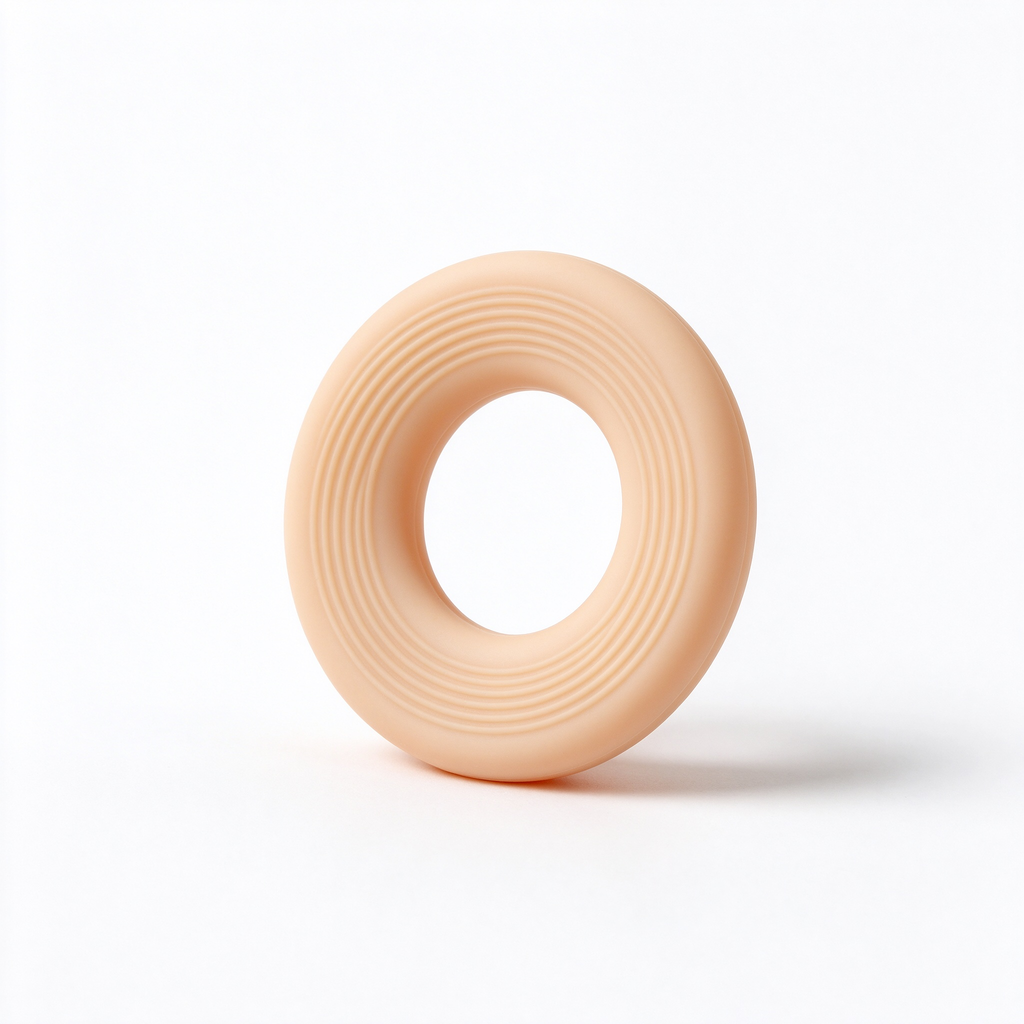
Caption: the rim, the catch and the fold on this bib are where trimming and inspection do their work.
Packing is the third. Whether the bag itself is food grade, whether it has a smell, whether the seal is tight, decides whether the product gets contaminated again in transit and storage. Plenty of complaints about a smell on opening trace back to the bag, not the product.
七、检测与追溯:把“我说”换成“报告说”
7. Testing and traceability: swap what I say for what the report says.
检测的作用不是给一个合格结论,而是给一条可核对的证据链:哪一批、什么项目、什么方法、什么结果、谁签的字。
Testing is not there to hand out a pass verdict. It is there to hand over an evidence chain you can check: which batch, which item, which method, what result, whose signature.
食品接触硅胶常做的项目包括感官要求、迁移试验、挥发物、高锰酸钾消耗量等;出口订单还会叠加 FDA、LFGB 的要求,欧盟市场看 RoHS,汽车与电子件看 PAHs。
Food-contact silicone is routinely tested for sensory requirements, migration, volatiles and potassium permanganate consumption. Export orders add FDA and LFGB requirements, the European market looks at RoHS, and automotive and electronics parts look at PAHs.
追溯是另一半。从成品批号能查到成型机台、混炼批号、胶料供应商,才叫可追溯;只留一张成品检测报告,出了问题只能整批报废。
Traceability is the other half. Getting from a finished-part lot number back to the press, the mixing batch and the gum supplier is what traceability means. Keep only a finished-goods test report, and a problem leaves you nothing but scrapping the whole batch.
留样是最朴素的一招。每批留一件,放到保质期之后;真出现争议,这一件就是唯一的实物证据。
Retained samples are the plainest trick there is. Keep one piece from every batch, past its shelf life. If a dispute ever comes up, that piece is the only physical evidence in the room.
八、在凯莱,这些工序是被写进制度的
8. At K-Lai, these processes are written into the system.
在浙江慈溪,凯莱橡胶从 2007 年做起,前身是慈溪市凯田橡胶制品厂。产品线从 O 型圈、密封条、鸭嘴阀,到硅胶按键、硅胶管、硅胶帽塞垫,再到母婴与宠物用品,规格数千种。
In Cixi, Zhejiang, K-Lai Rubber has been at this since 2007, when it was still Cixi Kaitian Rubber Products Factory. The range runs from O-rings, sealing strips and duckbill valves to silicone keys, tubing, caps, plugs and pads, and on to baby and pet products, in thousands of specifications.
它把上面这些环节做成了固定动作:原料坚持全球优质胶源,每批进厂先过实验室检测;混炼与成型用精密模压、自动硫化、数控成型控制批次一致;内控标准定得比国标更严;从投料到出厂,全链条可追溯。
It turns the stages above into fixed moves: quality gum sourced worldwide and lab-tested batch by batch on arrival; precision molding, automatic curing and CNC forming to hold batches consistent; internal standards tighter than the national standard; and full traceability from raw material to shipment.
产品按 FDA、LFGB、CE、GB 等要求送检,通过 ISO9001 体系认证,同时满足 RoHS、PAHs 等环保指令;硅胶件客户包括 Philips、Midea、Panasonic、Opple。
Products are sent for testing against FDA, LFGB, CE and GB requirements, the plant holds ISO 9001 certification, and the range also meets RoHS and PAHs directives. Silicone parts go to customers including Philips, Midea, Panasonic and Opple.
这些话看着像资质清单,其实是工序的结果。资质不会让一件产品变安全,是工序让资质有了内容。
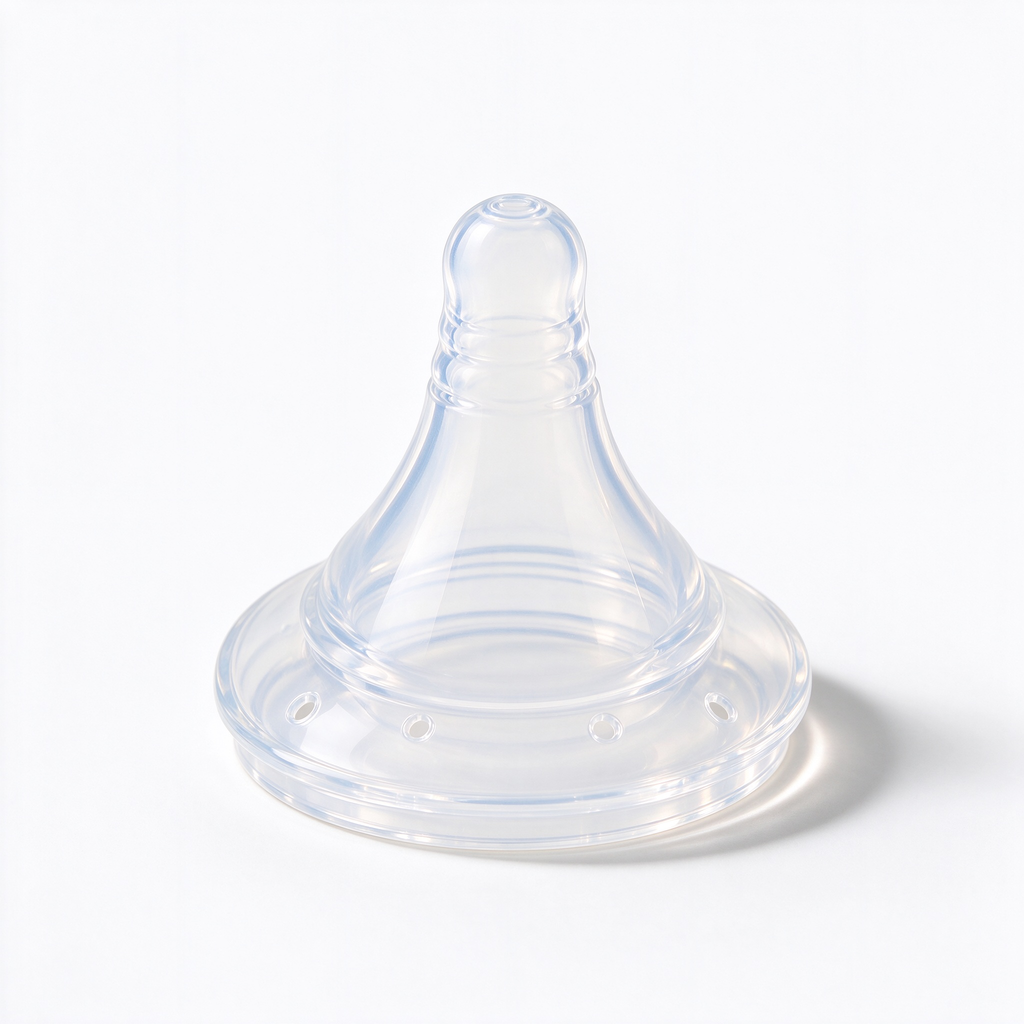
Caption: even dividers and a smooth rim on a divided plate come down to two steps — the mold and the trimming.
Read as a list of certificates, this looks like paperwork. It is really the output of the stages above. A certificate does not make a product safe; the processes are what give the certificate any content.
九、给三类人的验工清单
9. A check-the-work list for three kinds of people.
给消费者:闻一次、捏一次、掰一次。有刺鼻味、回弹迟缓、薄壁一拉就裂,这三件事里出现任何一件,都值得退回去问一句。
For the shopper: smell it once, squeeze it once, pull it once. A sharp smell, sluggish rebound, or a thin wall that tears the first time you pull it — any one of the three is reason enough to send it back with a question.
给采购:不看宣传页,看三样东西——这一批的检测报告、混炼与硫化的记录、拆边的验收标准。三样齐了,再谈价格。
For the buyer: skip the brochure and look at three things — the test report for this batch, the mixing and curing records, and the acceptance standard for trimming. Get those three, then talk about price.
给品牌方:把“食品级”写进合同条款,写清执行哪个标准、哪一版、由谁送检、不合格怎么处理。形容词进不了合同,工序可以。
For the brand: write food grade into the contract clause, and spell out which standard, which version, who submits for testing, and what happens if it fails. Adjectives do not belong in a contract. Processes do.
所以安全不是一句形容词,它是一道道工序的叠加:胶料对得上配方,混炼留得下记录,硫化够得上时间,拆边过得了检具,包装经得起运输。
So safety is not an adjective. It is processes stacked one on another: compound that matches the formula, mixing that leaves records behind, curing that gets its time, trimming that passes the gauge, packing that survives the trip.
这些事没有一件是惊天动地的。它们的共同点是——少做一步,产品看起来还是一样;多做一步,用起来就是不一样。
Not one of these things is dramatic. What they share is this: skip a step and the product still looks the same; do the step and it behaves differently in use.
发表回复